
Everything you need to know about eloping in Colorado, from planning a Colorado elopement, choosing your location and date, to marriage licenses, permits, timelines, activities, and actually getting married.

By Lauren Poore, Colorado Elopement Photographer
Updated August 2026
Quick Answer:
To elope in Colorado, choose your location and date, hire your photographer, check whether your ceremony location requires a permit, get your Colorado marriage license, plan your timeline and activities, and get married! Colorado allows couples to self-solemnize, so you can legally marry yourselves without an officiant.
Long Answer:
So, you want to elope in Colorado.
Maybe you’re picturing yourselves exchanging vows beside an alpine lake. Maybe you want to hike somewhere quiet before sunrise, spend the afternoon exploring a mountain town, or bring your dog along for the adventure. Or maybe you know you want to elope in Colorado but have absolutely no idea what you want the day to look like yet. Maybe you’re just starting to think about how to get married in Colorado.
That’s completely okay!
One of the best things about planning a Colorado elopement is how much freedom you have to make the day your own. Hike into the mountains, sip a beer at sunset, bring your favorite people, or keep it just the two of you. And no, you don’t have to hike ten miles at 4 a.m. unless that’s actually your thing. If you’re still wondering whether Colorado is right for you, here are 5 reasons to elope in Colorado if you need a little more convincing.
After photographing elopements and small weddings in Colorado for more than 12 years, I’ve learned that there isn’t one perfect way to elope here. The goal is finding the places, activities, and experiences that make sense for the two of you.
This guide covers everything you need to know about how to elope in Colorado, including choosing a location, picking the best time of year, getting your marriage license, understanding permits, planning activities, building your timeline, and actually enjoying the experience once the day arrives.
So grab a cup of coffee, or maybe a local Colorado beer, and let’s get into it.
If you’re still deciding whether eloping is right for you, start with my guide to common misconceptions about eloping and some reasons to ditch the traditional wedding structure.
How Do You Elope in Colorado?
The actual process of getting married in Colorado is surprisingly simple.
You’ll need to decide what you want your day to feel like, choose your location and date, obtain a Colorado marriage license, figure out whether your location requires a permit, and plan the rest of your experience around the two of you.
Colorado also allows couples to self solemnize, which means you can legally marry yourselves without an officiant or witnesses.
Yes. Really.
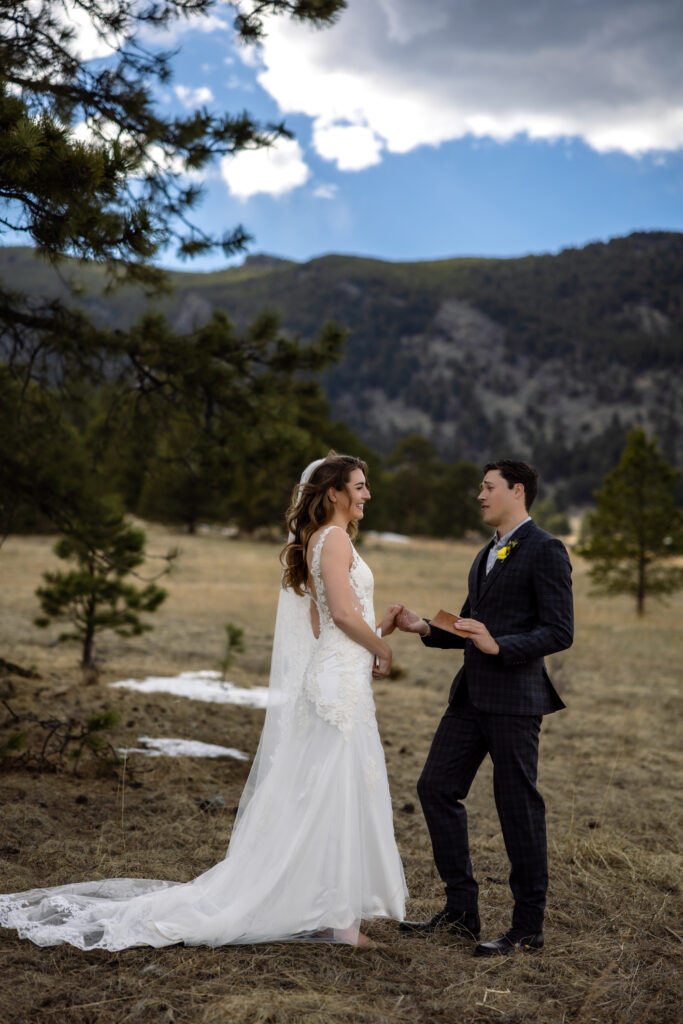
That means your ceremony can quite literally be the two of you standing somewhere beautiful, exchanging vows, and getting married on your own terms.
But before we get to that part, let’s start at the beginning.
How to Elope in Colorado Step by Step
1. Decide What You Want Your Elopement to Feel Like
Before you open Google Maps and start searching for locations, think about the experience you actually want.
Do you want your day to feel quiet and intimate? Adventurous? Relaxed?
Do you want to hike?
Do you want your dog there?
Would you rather explore a mountain town, have a picnic beside a lake, go off-roading, visit a brewery, or spend part of the day hanging out at your Airbnb?
You don’t need an entire plan yet. Start with how you want your day to feel.
Colorado has everything from alpine lakes and snowy mountain passes to pine forests, red rock formations, waterfalls, wildflower meadows, cityscapes, sand dunes, and small mountain towns. Once you know what kind of experience you’re looking for, choosing where to elope becomes a whole lot easier.
2. Choose Your Colorado Elopement Photographer
Your photographer will probably be one of the first vendors you book for your Colorado elopement.
And ideally, they should do a lot more than show up with a camera.
I help my couples with location suggestions, location scouting, timeline planning, permits, vendor recommendations, backup plans, logistics, and all of those little questions that inevitably pop up while you’re planning.
Having someone who actually knows Colorado can make a huge difference.
Mountain roads close. Weather changes quickly. Trails look very different in May than they do in September. Some locations require permits. Others have restrictions that aren’t immediately obvious when you’re looking at pretty photos online.
That’s also why I personally scout locations before recommending them whenever possible. I want to know what the trail actually feels like, what the terrain looks like, where the light falls, how busy the area gets, and whether the location genuinely makes sense for your day.
You shouldn’t have to choose your elopement location based on a pretty Instagram photo and hope for the best. Your photographer should recommend the best places to elope in Colorado based on what you want out of your day.
3. Choose Where to Elope in Colorado
Once you have an idea of how you want your day to feel, it is time to start narrowing down your location.
Colorado has an incredible variety of landscapes, from alpine lakes and mountain passes to forests, red rocks, waterfalls, and small mountain towns. I usually start by helping couples think about a few practical things, including how far they want to travel, how much hiking they want to do, whether they are bringing guests or a dog, and what type of scenery they are drawn to.
You do not need to pick a specific trail or overlook immediately. Start with the general area and experience you want, then narrow it down from there.
Later in this guide, I will break down some of the best places to elope in Colorado and what makes each region different. If you’re looking to dive into locations, check out my guide on how to choose the perfect elopement spot in Colorado.
4. Pick the Best Time of Year to Elope in Colorado
There really isn’t one “best” month to elope in Colorado.
There is, however, probably a best month for the experience you want.
Summer Colorado Elopements
Late June through August is one of the most popular times to elope in the Colorado mountains.
High elevation trails become more accessible, alpine lakes thaw, wildflowers begin popping up in certain areas, and you have a ton of options for hiking and exploring.
The tradeoff is crowds. Popular locations can get BUSY during summer, which is one reason I often recommend weekday ceremonies and sunrise adventures.
Colorado can also get afternoon thunderstorms during the summer, particularly in the mountains, so building flexibility into your timeline is important.

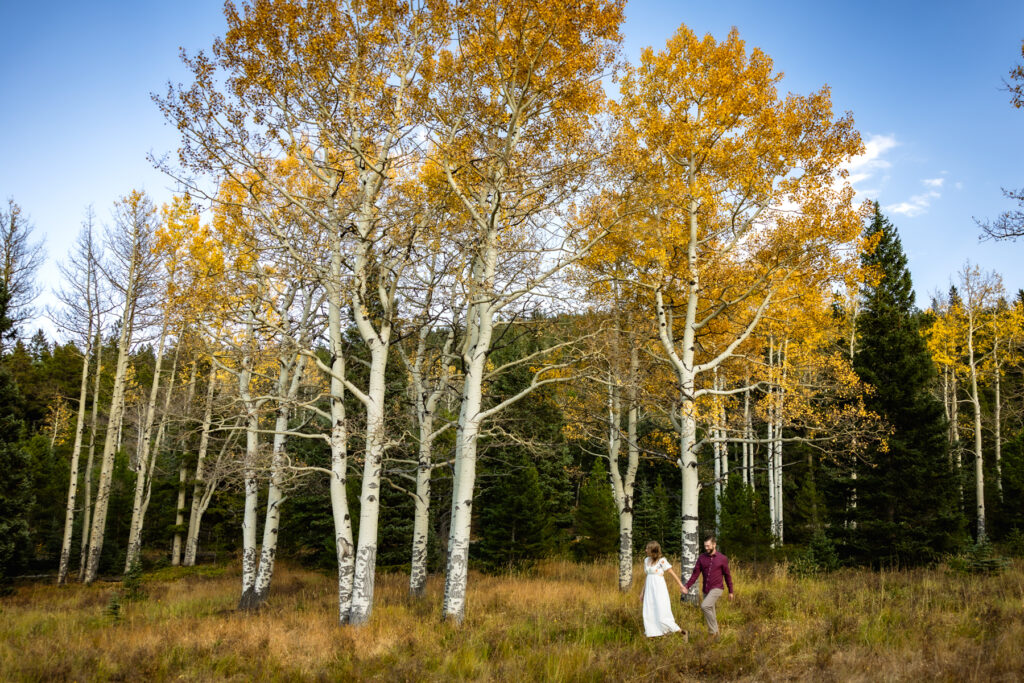
Fall Colorado Elopements
Fall is my personal favorite.
Cooler weather. Changing aspens. Crisp mountain air. Need I say more?
September into early October can be absolutely incredible, but fall color is notoriously difficult to predict. Elevation, weather, temperature, and location all affect when the aspens change.
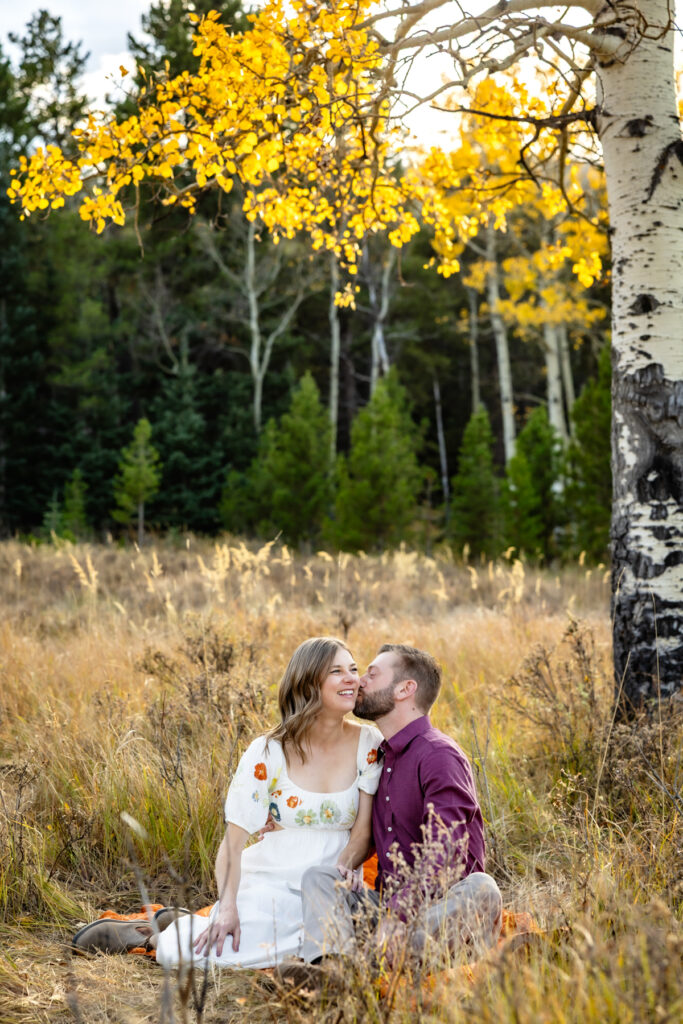
If golden aspens are at the top of your wish list, date flexibility is probably necessary. Crowds can also mob certain popular destinations due to the fall foliage, so having a photographer who knows tucked away areas that don’t draw massive crowds is key to having an intimate elopement.
Winter Colorado Elopements
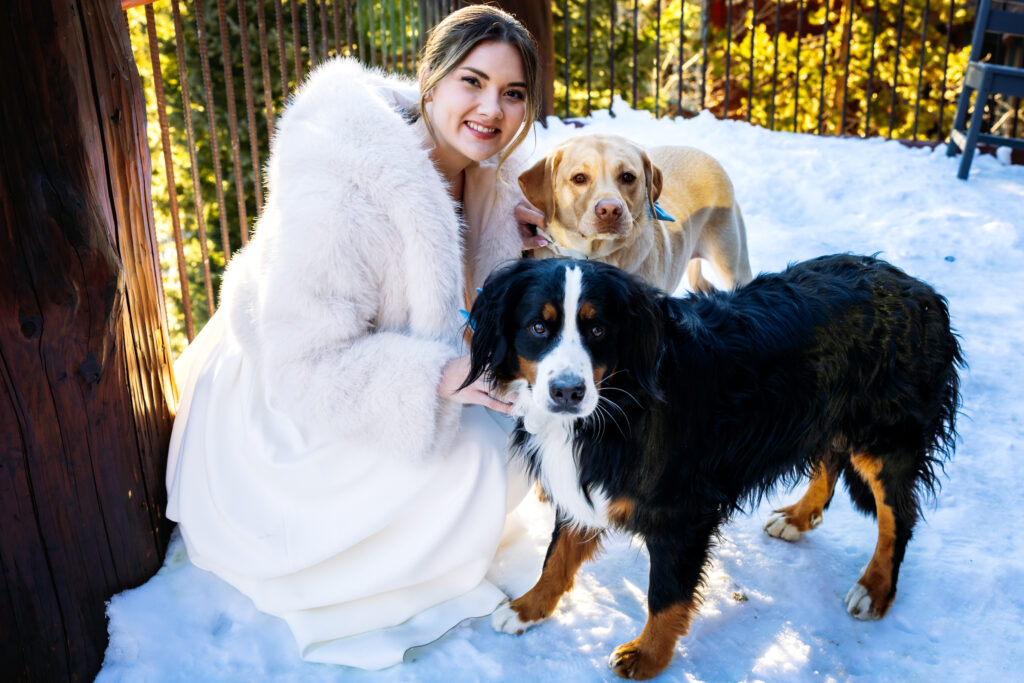
If you love snow, winter opens up an entirely different kind of elopement day.
You can ski or snowboard, snowshoe, snowmobile, go tubing, visit hot springs, explore a ski town, or rent a cozy cabin and spend part of your wedding day in front of the fire.
Winter also requires a little more preparation. Depending on your location, you may need microspikes, snowshoes, warm layers, appropriate footwear, and a vehicle that can safely handle winter mountain roads.
Spring Colorado Elopements
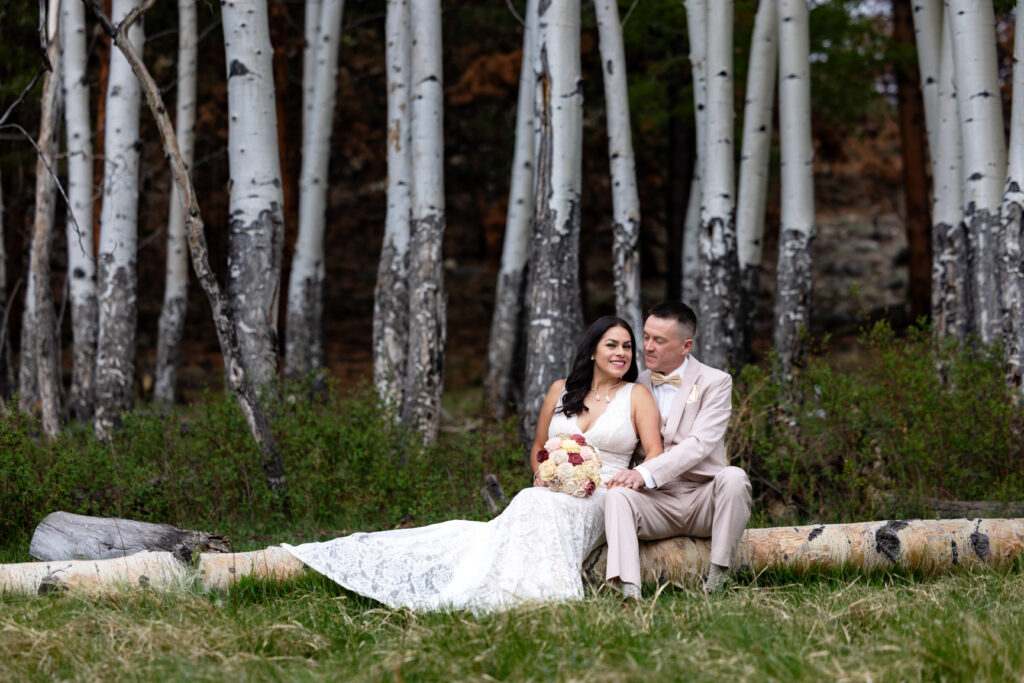
Spring is probably the trickiest season in the mountains.
Late March through early June can mean snow, mud, ice, road closures, or all four in the same week. Some mountain towns also enter mud season, when businesses may temporarily close.
That doesn’t mean you can’t elope in Colorado during spring. It just means we need to choose your location carefully and be flexible.
The Front Range can be a great alternative when higher elevation areas are still thawing out.
Feeling a little overwhelmed by all the options?
That’s exactly what I’m here for. I help my couples narrow down locations, figure out logistics, and turn all those “maybe we could…” ideas into an actual elopement plan.
5. Decide Between Sunrise and Sunset
Ahhh, the eternal question.
Why Choose Sunrise?
If privacy is one of your biggest priorities, sunrise is hard to beat.
Popular Colorado trails and overlooks tend to become busier as the day goes on, so getting up early can give you more space to yourselves.
Morning light is also soft and beautiful, and there is something incredibly peaceful about watching the mountains light up while most people are still asleep.
If we’re hiking in before sunrise, bring a headlamp. Trust me.

Why Choose Sunset?
Sunset gives you golden hour, warmer evening light, and the chance for some pretty spectacular skies.
It’s also perfect if you want to end your day slowly. Think dinner, a campfire where permitted, or staying out after dark for stargazing.

Or…Do Both
You don’t actually have to choose.
For 8 hour elopements, we can start with a quiet sunrise adventure, take a break in the middle of the day, and meet back up for sunset.
You get two completely different kinds of light and plenty of time to actually enjoy your wedding day instead of trying to squeeze everything into a few hours.
6. Get Your Colorado Marriage License
One of the coolest things about eloping in Colorado is how simple the legal side can be.
A Colorado marriage license currently costs $30 and can be obtained through a Colorado county clerk and recorder. Requirements and appointment procedures can vary by county, so check the specific county clerk’s current instructions before you go.
Once issued, your Colorado marriage license is valid for 35 days, meaning your marriage needs to take place during that window.
After the marriage is solemnized, the completed certificate needs to be returned to the issuing clerk and recorder for recording within 63 days.
Can You Self Solemnize in Colorado?
YES!
Colorado allows couples to solemnize their own marriage. That means you don’t need to hire an officiant simply to make your ceremony legal, and witnesses aren’t required either.
You can stand beside an alpine lake, exchange vows with each other, sign your paperwork, and officially be married. Pretty dang cool if you ask me.
7. Figure Out Whether You Need an Elopement Permit
This is one of those not so glamorous parts of planning an elopement that is still incredibly important.
Some Colorado elopement locations require special use permits for wedding ceremonies, and regulations vary depending on who manages the land. Some locations may also have restrictions on things like group size, parking, ceremony setup, photography, or where you can hold your ceremony.
Rocky Mountain National Park, for example, requires a wedding permit for wedding ceremonies and limits ceremonies to designated locations.
This is something I help my couples navigate so you’re not left digging through government websites wondering what applies to you. Permit requirements can also change, so they should always be verified for your specific location and elopement date rather than relying on an old blog post or social media video.
8. Plan What You Actually Want to DO
This is where I want you to forget the idea that an elopement is just a short ceremony followed by photos.
Your elopement can be an entire experience.
If you love being outside, you could go hiking, kayaking, paddleboarding, canoeing, off-roading, skiing, snowboarding, snowshoeing, or snowmobiling.
But you absolutely do not have to turn your wedding into an extreme sport.
You could also grab coffee in a mountain town, have a picnic, explore local shops, visit a brewery, cook breakfast together at your Airbnb, eat cake in the middle of nowhere, soak in a hot spring, have dinner with your family, or simply spend a few hours exploring somewhere beautiful together.
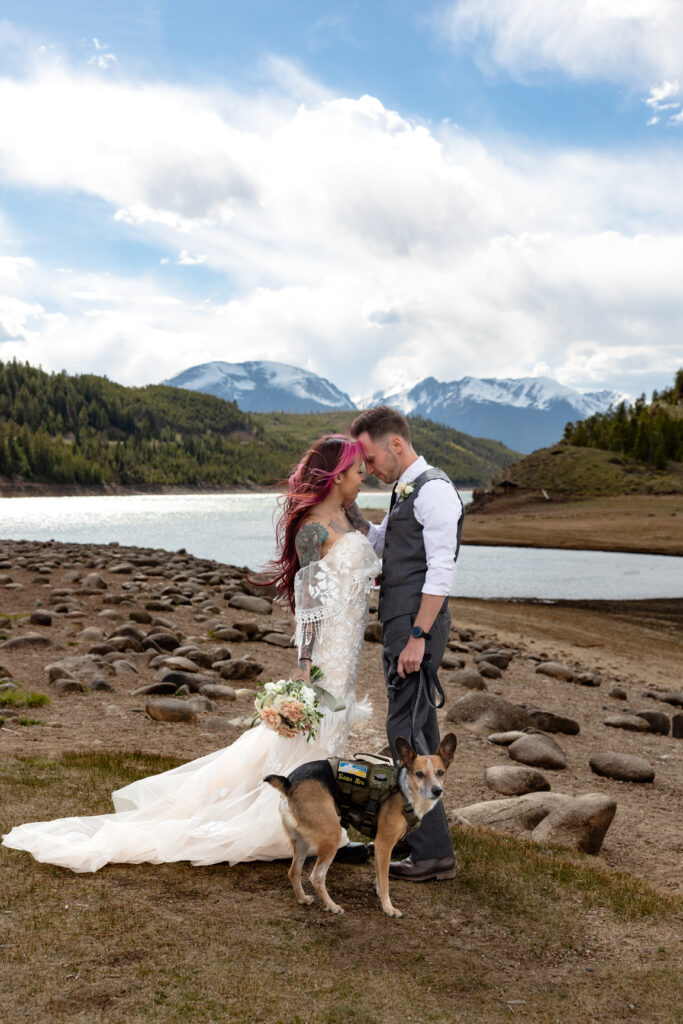
If you have and want to include your dog, we can also look specifically for dog friendly Colorado elopement locations and build your plans around bringing them along.
Your elopement should feel like a really freaking good day that happens to also be the day you get married.
9. Book Your Travel and Accommodations
If you’re traveling to Colorado for your elopement, give yourself some breathing room.
Depending on your location, Denver International Airport may make the most sense, while some destinations are easier to reach through smaller regional airports.
You’ll also want to think about drive times.
Colorado looks deceptively small on a map until you’re sitting in the car realizing your destination is four hours from Denver.
For mountain locations, an AWD or 4WD vehicle may also be helpful or necessary depending on the season and road. And if you’re coming from lower elevation, give yourselves time to acclimate. Your wedding day probably isn’t the best day to discover what 11,000 feet of elevation feels like.
Choosing Where to Stay
Your accommodations can be part of your elopement experience too.
You can camp, rent a cozy cabin, stay in a mountain lodge, book a hotel, or find an Airbnb that gives you plenty of room to get ready and relax.
Think about more than where you’re sleeping.
Could you make breakfast there?
Would it be a beautiful place for getting ready photos?
Is there enough room if family is joining you?
Is it close enough to your ceremony location that you aren’t spending half the day driving?
The right place to stay can make your entire day feel easier.
10. Book Any Other Elopement Vendors You Want
Just because you’re eloping doesn’t mean you can’t have wedding vendors.
You can absolutely hire a florist, hair and makeup artist, baker, private chef, planner, off-road guide, or anyone else who will add something meaningful to your experience.
You can also skip most of them. That’s the beauty of it.
If you’re working with me, I can recommend Colorado elopement vendors based on your location and what you want your day to look like.
11. Plan What to Wear for Your Colorado Elopement
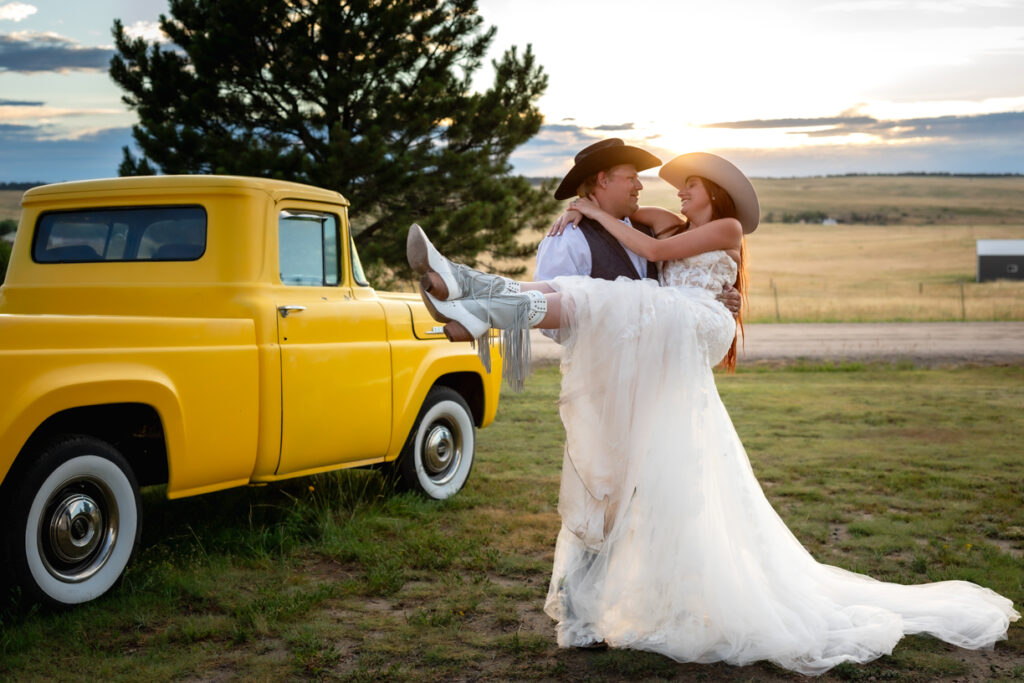
Wear what you actually want to wear. Seriously.
You can wear a traditional wedding dress and suit. You can wear a jumpsuit. You can change outfits halfway through the day. You can hike in hiking clothes and change when we reach your ceremony location.
Think about your activities, terrain, and season when choosing your elopement attire.
If we’re hiking, walking across rocky terrain, exploring snow, or spending most of the day outside, comfort matters.
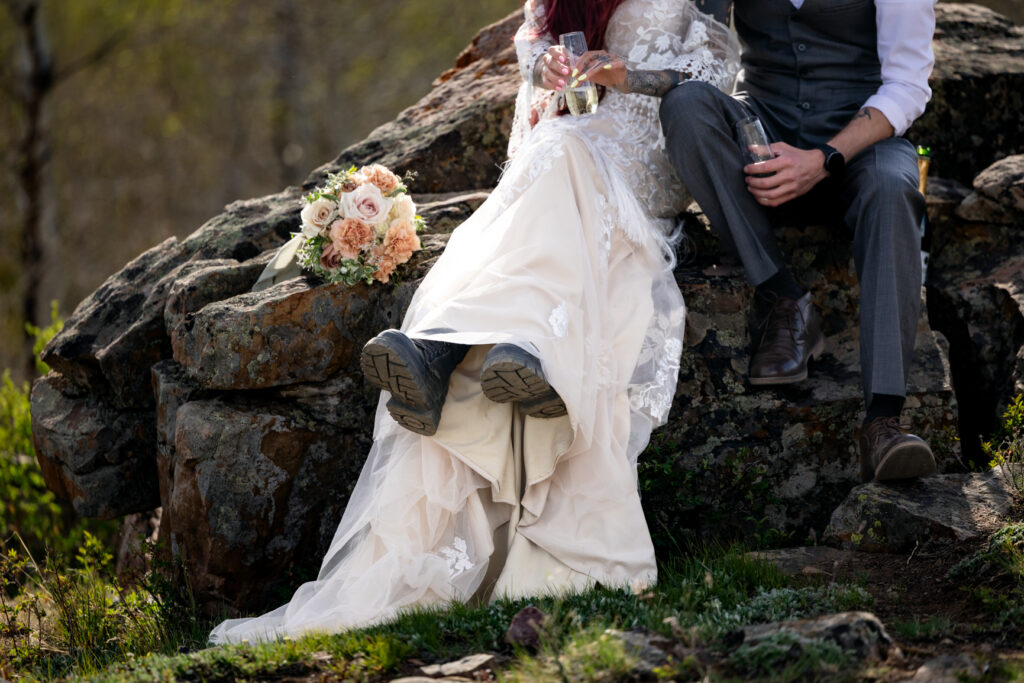
Bring good shoes, bring layers, and remember that your wedding attire is allowed to get a little dirty. You’re wearing it for an adventure, not keeping it in a museum. Check out my full guide on what to wear for a Colorado elopement.
12. Pack for Your Colorado Elopement
Colorado weather loves keeping us humble. Even if the forecast looks perfect, I recommend being prepared for conditions to change multiple times a day, particularly at higher elevations.
Depending on your location, season, and activities, your Colorado elopement packing list might include:
- Hiking boots or comfortable shoes
- Extra layers
- Rain jacket
- Water
- Snacks
- Sunscreen
- Headlamps
- Hats and gloves
- Microspikes or snowshoes for winter conditions
- Backup shoes
- Any medications you may need
- Dog supplies if your pup is coming
I give my couples a more specific packing list based on their actual plans because a July elopement in Boulder requires a very different bag than a January elopement in Breckenridge.
Best Places to Elope in Colorado
This is usually the fun part…and occasionally the overwhelming part.
Colorado is BIG, and you definitely don’t have to limit yourself to the handful of places you’ve already seen all over Instagram.
I usually start by dividing Colorado elopement locations into a few general areas.
Front Range Colorado Elopements
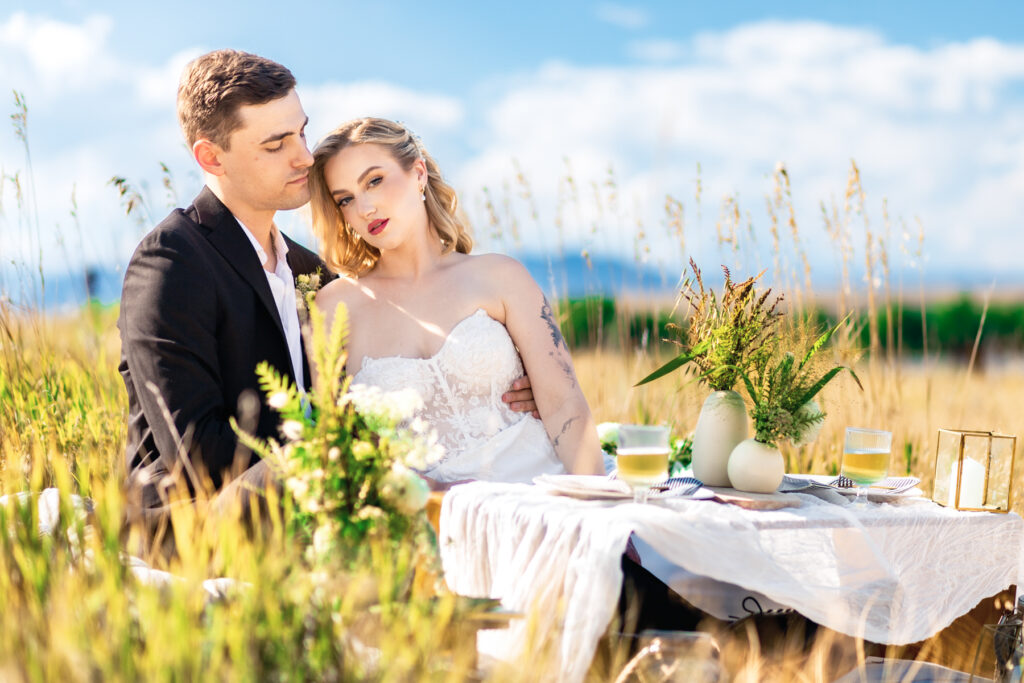
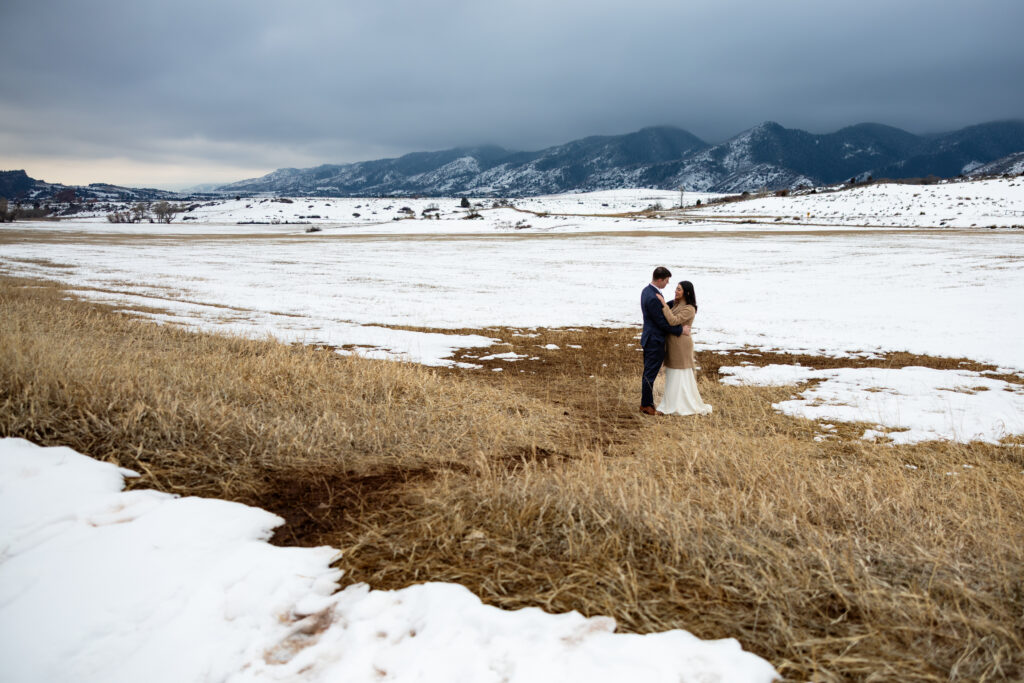
The Front Range is a great option if you want easy access to Denver while still being close to beautiful outdoor locations.
Think Denver, Boulder, Golden, Fort Collins, Estes Park, and Colorado Springs.
You can stay in the city and be surrounded by mountain views or red rock formations without spending half your trip driving across the state. This can also be a great choice for couples flying into Denver International Airport who don’t want to drive super far into the mountains, or anyone who wants to combine city activities with time outdoors.
Central Colorado Elopements
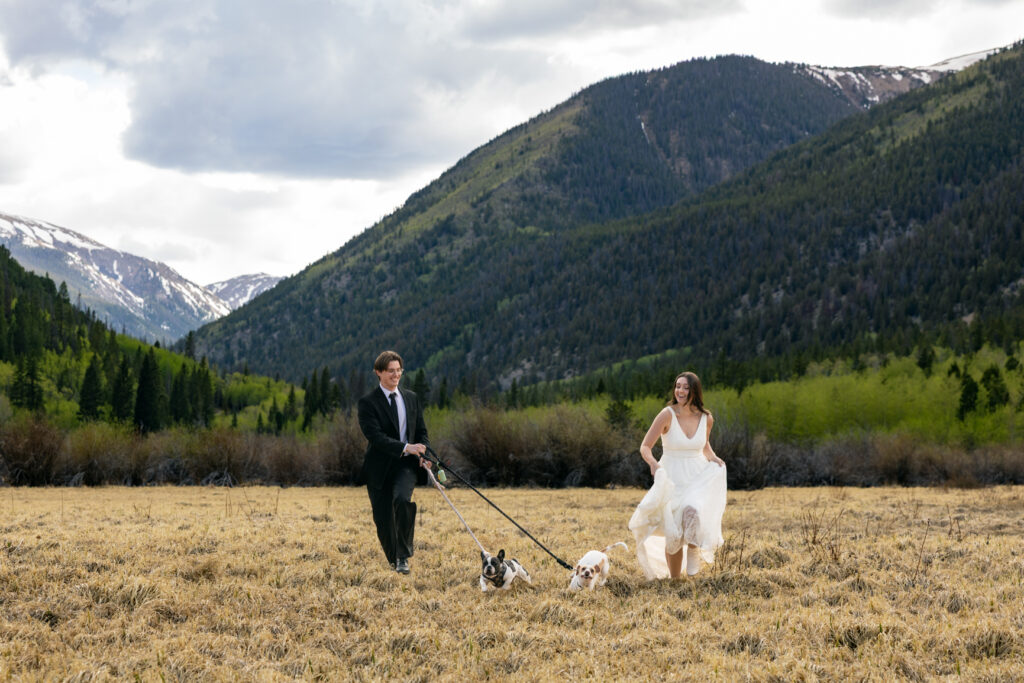
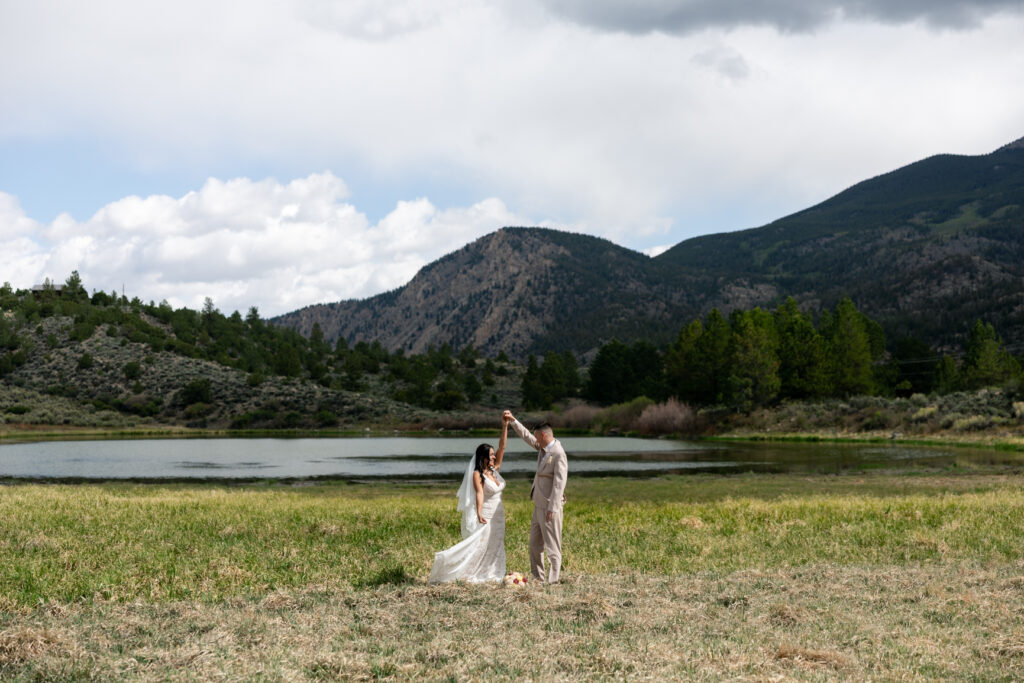
If you’re picturing the classic Colorado mountain experience, this might be it. Central Colorado is home to alpine lakes, mountain passes, historic towns, high elevation scenery, rivers, campgrounds, and plenty of opportunities to explore.
Some of my favorite areas include Breckenridge, Buena Vista, Leadville, Salida, Georgetown, Idaho Springs, and Fairplay.
Many of these areas are a few hours from Denver, so they’re relatively accessible while still giving you that big mountain experience.
Western Colorado and Western Slope Elopements
If you want something that feels a little more tucked away, look west.
The Western Slope gives you everything from rugged mountains and valleys to agricultural areas, charming towns, and landscapes that feel completely different from the Front Range.
Aspen, Telluride, Ouray, Crested Butte, Durango, Glenwood Springs, Carbondale, Palisade, Grand Junction, Steamboat Springs, and the surrounding areas all offer completely different experiences.
You’ll generally need to plan for more travel time, but if you want something that feels a little more remote, it can absolutely be worth it.

A Few of My Favorite Colorado Elopement Spots
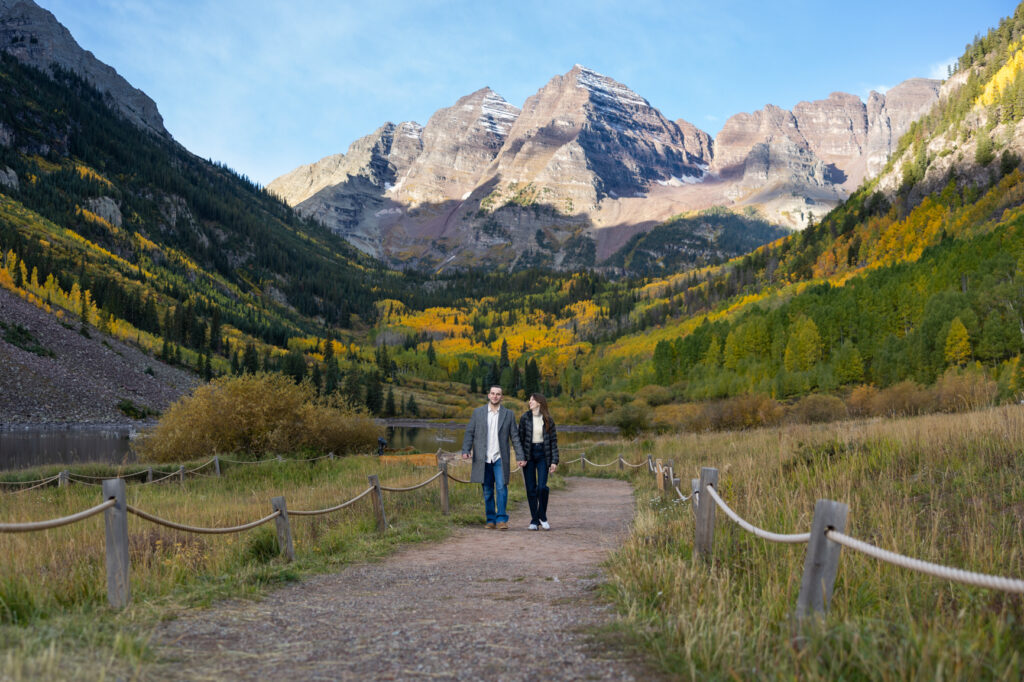
I have a soft spot for Breckenridge and Summit County because you get incredible scenery, relatively easy access to Denver, and mountain towns with plenty to do before and after your ceremony.
I also LOVE the San Juan Mountains for couples who want something a little wilder and more rugged. The mountain landscapes out there are completely unmatched, with incredible activities to do during your elopement day.
And if you’re looking for something closer to Denver, Boulder and the surrounding Front Range give you beautiful scenery without requiring a huge travel day.
The important thing is choosing the location that actually fits you.
What Happens If the Weather Is Bad?
We pivot.
Colorado weather can change quickly, especially in the mountains, and trying to plan a day that depends on absolutely perfect weather is a recipe for stress.
Instead, I help my couples plan with flexibility from the beginning.
That might mean having a backup ceremony location, changing the timeline, moving to a different elevation, waiting out a storm, or embracing whatever Colorado decides to throw at us.
I only photograph one elopement per day, which gives us room to adjust instead of forcing your entire experience into a rigid timeline.
A cloudy sky, a little snow, or a quick rain shower doesn’t mean your day is ruined. Sometimes it makes it even better!
You Don’t Have to Figure This Out Alone
Location scouting, permits, timelines, backup plans, mountain weather, finding the perfect spot to say your vows…I help with all of it. You get to focus on getting married. I’ll help make everything else feel a whole lot easier.
Can You Bring Guests to a Colorado Elopement?
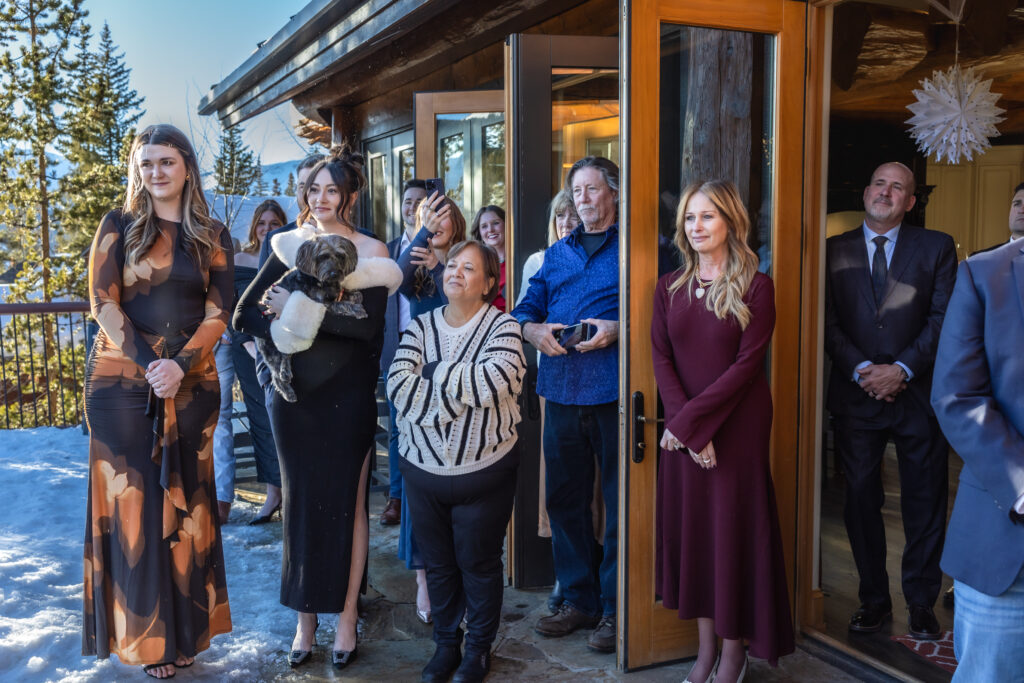
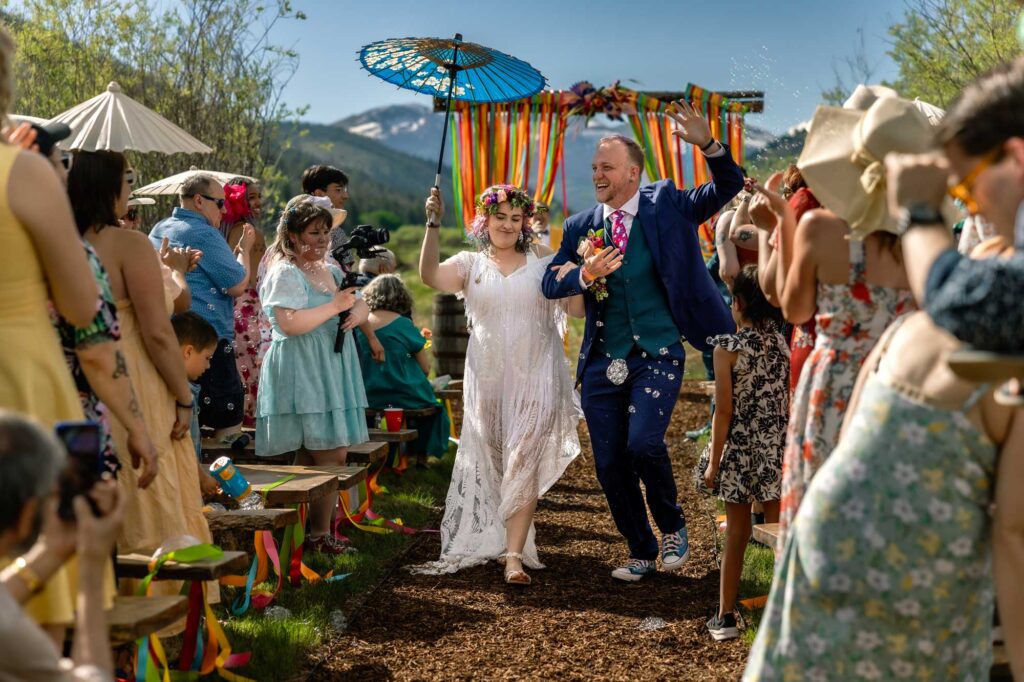
Absolutely! Eloping doesn’t mean you have to secretly run away and tell your family afterward.
Your Colorado elopement can be just the two of you, or you can invite a handful of the people who matter most.
Some couples have everyone attend the ceremony and then spend the rest of the day alone. Others spend the morning adventuring together and meet family for vows or dinner later.
There isn’t one correct way to do it.
Just keep in mind that certain outdoor locations and permits have group size restrictions, so your guest count can influence which locations will work.
Can You Bring Your Dog to Your Colorado Elopement?
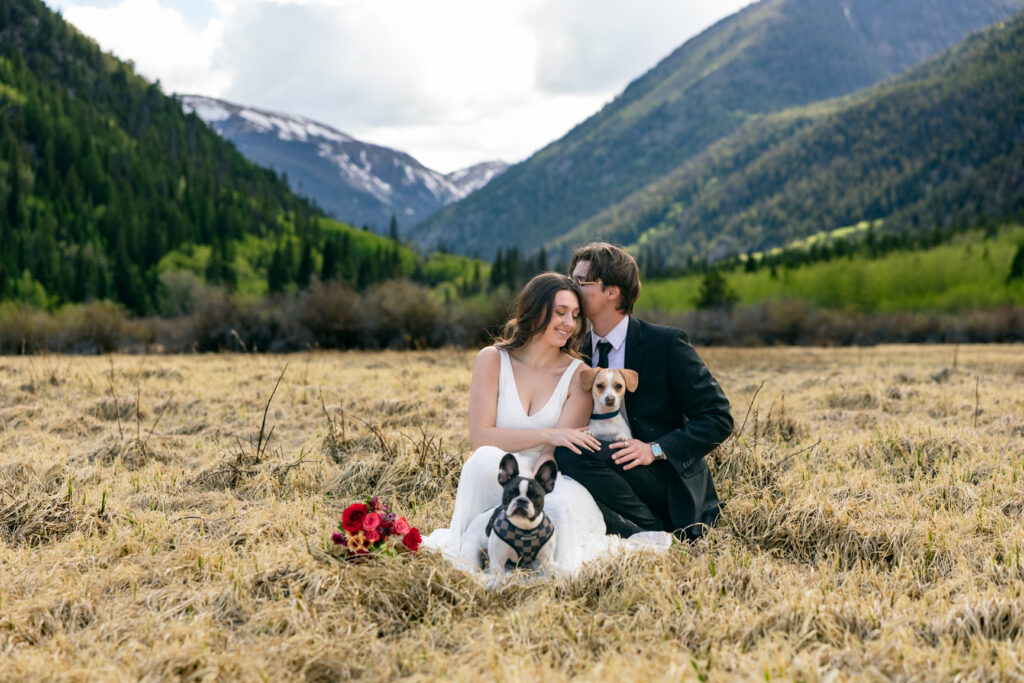
YES, as long as we choose the right location.
And as an avid dog lover, I am extremely supportive of this plan.
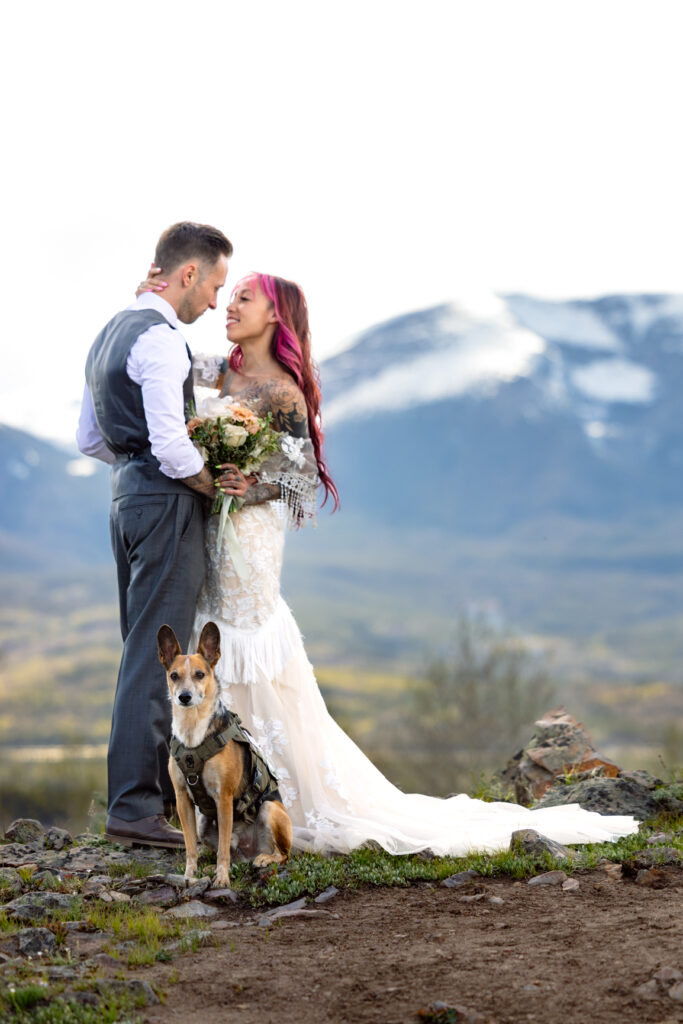
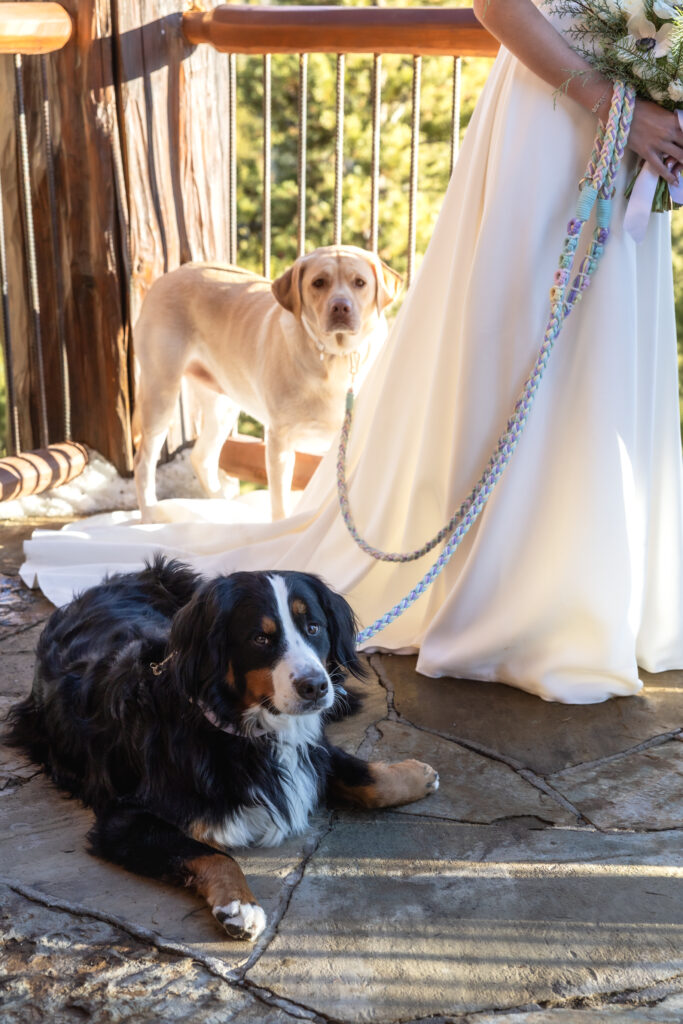
Not every Colorado elopement location is dog-friendly, so we want to consider that before choosing your ceremony spot. For example, Rocky Mountain National Park does not allow pets on established trails or in the backcountry, so if having your dog there is important to you, we would look at other locations that allow them.
I also think about whether the trail is appropriate for your dog, how crowded the area will be, how much water they’ll need, and whether there’s somewhere for them to relax.
Because if your dog is part of your everyday life, they should be there when you exchange your vows, right?
Also, dogs can sign your marriage license in Colorado with a paw print. So you can have your fur baby’s unique signature as a reminder of your adventures together forever.
If bringing your pup is non-negotiable, I have an entire guide on how to include your dog in your Colorado elopement.
Leave No Trace During Your Colorado Elopement
Part of getting married somewhere beautiful is helping keep it beautiful.
I practice Leave No Trace principles during my elopements and photography sessions, which means planning ahead, staying on durable surfaces and established trails where appropriate, packing out what we bring in, respecting wildlife, minimizing our impact, and being considerate of the people around us.
This also means we aren’t going to trample through wildflowers because a photo would look pretty or ignore a closure to get a specific view.
There are SO many beautiful places in Colorado and we can get incredible photographs without damaging them.
What Could a Colorado Elopement Timeline Look Like?
There is no single Colorado elopement timeline because your timeline should be built around your experience rather than forcing your experience into a predetermined photography schedule.
But let’s say you choose eight hours of coverage.
Your day could look something like this:
12:00 PM Getting ready together at your cabin
1:00 PM Detail photos, letters, and a first look
2:00 PM Head out to explore your first location
4:00 PM Picnic, brewery stop, or another activity you love
5:30 PM Travel to your ceremony location
6:00 PM Private vows and ceremony
6:15 PM Explore and pop champagne
7:30 PM Celebrate with cake & sunset portraits
And that’s only one possibility.
Your day could start at sunrise. It could have a three hour break in the middle. You could hike. You could not hike at all. We can build the timeline around what you want to experience.
How Much Does It Cost to Elope in Colorado?
There isn’t one standard cost for a Colorado elopement because there isn’t one standard way to elope.
Your required legal costs are relatively small, including the $30 Colorado marriage license.
Everything beyond that depends on what you want.
Your budget might include photography, travel, accommodations, permits, attire, flowers, hair and makeup, food, activities, or other vendors.
Some couples keep things incredibly simple.
Others book a beautiful cabin, hire a private chef, rent a Jeep, order flowers, and turn their elopement into a multi-day Colorado adventure.
Eloping isn’t necessarily about having the cheapest wedding possible, it’s about deciding what you actually care about and putting your time and money there.
Advice From a Colorado Elopement Photographer
I’ve been photographing couples, small weddings, and elopements throughout Colorado for more than 12 years. I’ve spent that time exploring locations, hiking trails, driving mountain roads, watching Colorado weather change on a dime, and learning what actually makes an elopement location work. Everything in this guide comes from that real experience helping couples plan and photograph their days here.
Frequently Asked Questions About Eloping in Colorado
Do you need an officiant to elope in Colorado?
No. Colorado allows couples to solemnize their own marriage, which means an officiant isn’t required for you to legally marry yourselves.
Do you need witnesses to get married in Colorado?
No. Witnesses aren’t required to solemnize your marriage in Colorado.
How much is a Colorado marriage license?
A Colorado marriage license currently costs $30.
How long is a Colorado marriage license valid?
Your marriage license is valid for 35 days after it is issued. After your marriage is solemnized, the completed certificate needs to be returned for recording within 63 days.
Do you need a permit to elope in Colorado?
Sometimes. Permit requirements depend on the location, land manager, group size, and activity. Always check the current requirements for your exact ceremony location.
Can you elope in Rocky Mountain National Park?
Yes, but wedding ceremonies require a special use permit and must follow the park’s current wedding rules, including designated ceremony locations and group size restrictions.
Can you bring your dog to a Colorado elopement?
Absolutely, as long as your chosen location allows dogs. Some areas have restrictions, including Rocky Mountain National Park, where pets are prohibited on established trails and in the backcountry. To learn more, check out my guide on how to include your dog in your Colorado elopement.
Do you have to hike for a Colorado elopement?
Nope. Not even a little bit. There are beautiful Colorado elopement locations that require hiking, locations with short walks, locations accessible by vehicle, and plenty of options in mountain towns and cities.
We can choose a location based on the experience you want and your comfort level.
What is the best month to elope in Colorado?
It depends on what you want. July and August are great for accessible high elevation locations and summer scenery. September and early October can bring fall colors. Winter is perfect for couples who want snow. Spring requires more flexibility, particularly in the mountains.
Should we elope at sunrise or sunset?
Sunrise is great for privacy, cooler temperatures, and soft morning light. Sunset gives you golden hour and can flow beautifully into dinner, a campfire where permitted, or stargazing. And if you really can’t choose, you can plan a split coverage elopement and do both.
How long should a Colorado elopement be?
A Colorado elopement can be anywhere from a few hours to a full day depending on how much you want to experience. If you want help picturing the difference, I break down what a 4, 8, and 12 hour elopement could look like in another post.
What should you wear to elope in Colorado?
Wear something that feels like you and actually works for the activities you have planned, whether that is a traditional elopement dress, a jumpsuit, hiking boots, or even an outfit change. I go deeper into what to wear for a Colorado elopement in this guide.
How far in advance should you plan a Colorado elopement?
There is no single perfect timeline, but giving yourself several months usually makes it easier to secure your photographer, permits, lodging, and any vendors you want. I am also planning a more detailed post on when to start planning your Colorado elopement.
Ready to Plan Your Colorado Elopement?
If you’ve made it this far, there’s a decent chance you’re already imagining what your day could look like.
And that’s where I come in.
You don’t need to know the perfect location. You don’t need to have your timeline figured out. You don’t even need to know whether you want to hike up a mountain or spend half the day eating cake at your cabin.
We can figure that out together.
I help my couples find locations that fit them, build timelines that don’t feel rushed, navigate permits and logistics, create backup plans, and turn all those little ideas floating around in their heads into an actual elopement day.
And then, of course, I photograph the heck out of it.
If you want a Colorado elopement that feels relaxed, meaningful, fun, and completely your own, I’m your gal.


